Beyond the Ring: What Your Proposal Style Reveals About Your Attachment Type
Proposals are more than romantic gestures; they reveal how we approach love, commitment, and emotional safety. From clear conversations to intense or avoidant signals, your proposal style reflects your attachment type. This blog explores the psychology behind modern proposals and why clarity matters more than grand gestures. A deeper look at what Propose Day truly uncovers about relationships.
Why Your Proposal Style is a Psychological Mirror
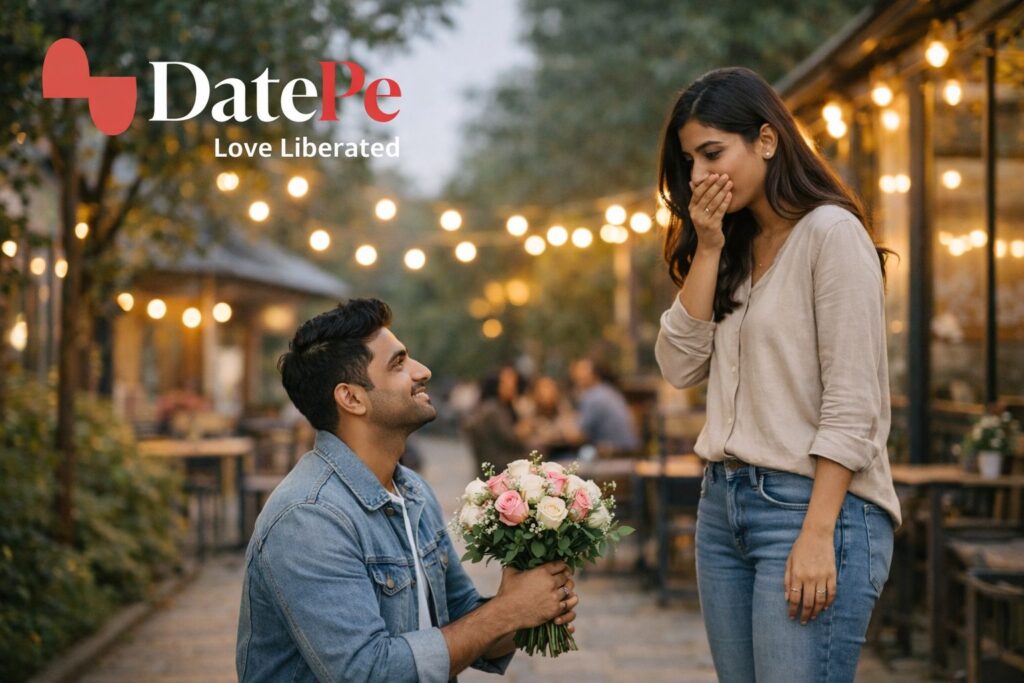
We often view proposals as the ultimate cinematic climax of a relationship—the champagne, the bended knee, and the perfect lighting. But beneath the surface, a proposal is less of a performance and more of a profound emotional signal. How someone chooses to ask for a lifetime of commitment reflects how they handle closeness and vulnerability. On Propose Day, these subconscious patterns become impossible to ignore, revealing the internal blueprint of how we seek and maintain emotional security with a partner. Whether it’s a quiet conversation or a grand spectacle, the method reveals the mindset behind the ring.
The Hidden Science of How We Bond
To understand why we propose the way we do, we have to look at attachment styles, the psychological frameworks that dictate how we bond with others. Developed in early childhood and carried into adulthood, these styles influence our comfort with intimacy and commitment and our reaction to perceived emotional threats. Most adults fall into one of four broad patterns that dictate their modern dating journey:

- Secure: Comfortable with intimacy and independence.
- Anxious: Craves high levels of closeness and often fears abandonment.
- Avoidant: Values independence and may feel “suffocated” by too much closeness.
- Fearful-Avoidant: A mix of desiring and fearing intimacy, often leading to hot-and-cold behavior.
Your experience within online dating culture is often a reflection of these styles. When it comes to the high-stakes moment of a proposal, your primary attachment style usually takes the driver’s seat.
Why Security Leads to Real Emotional Clarity
A secure proposer doesn’t feel the need for smoke and mirrors because their relationship is built on a foundation of emotional clarity. Their proposal style is typically characterized by honest conversation and clear intention. It isn’t a “test” or a surprise designed to “fix” a problem; it’s a natural progression of a shared journey. There is no emotional pressure or manipulative timing because the secure partner isn’t proposing to secure love—they already feel safe in it.
When you are on the receiving end of a secure proposal, it feels calm, safe, and profoundly mutual. It doesn’t feel like a high-pressure performance where you have to say “yes” to keep the peace; rather, it feels like a joint decision that was already made in your hearts long before the question was officially asked. This is the hallmark of healthy dating, proving that intentional dating leads to the most stable outcomes.
When Grand Gestures Mask Deep Insecurity
For those with an anxious attachment style, a proposal can feel like an urgent attempt to quiet internal fears. It often comes through grand gestures and heightened emotional intensity, sometimes timed during conflict or emotional distance to secure the relationship and avoid rejection. In these moments, the proposal seeks reassurance more than partnership a desire for certainty rather than shared readiness. While it may feel deeply romantic at first, it often carries emotional weight, as the pressure of being someone’s source of security becomes hard to ignore.
The Emotional Cost of Vague Commitments
The avoidant proposer is the master of the “indirect signal.” For them, deep intimacy and closeness can feel like a risk to their autonomy, so their version of a proposal often looks like vague future talk without any concrete timelines. They might mention “someday” or drop hints about living together in a new city, but they rarely pin down a date or a definitive “will you marry me?” This isn’t necessarily a lack of love, but rather a protective mechanism to avoid the vulnerability of a full commitment.

Being the partner in this scenario can be incredibly confusing and isolating, often leading to dating burnout. You are left in a state of emotional fatigue, constantly trying to decode “what we are” based on unfinished sentences and incomplete promises. Without dating clarity and clear communication, the “almost proposal” can lead to years of situationships and ambiguity where one partner is waiting for a door to open that the other is too afraid to unlock.
Fearful Avoidant Attachment, The Push Pull Proposal
Fearful avoidant attachment is marked by an internal conflict between craving intimacy and fearing emotional pain, which makes proposal behavior deeply inconsistent. People with this attachment style may initiate intense emotional closeness, speak about long-term commitment, or hint at a future together, only to retreat when the relationship begins to feel real. The proposal becomes fragmented—present in emotion but absent in action—creating a push pull dynamic that is hard to interpret.
What this proposal style really means is that the desire for love exists, but emotional safety has never felt stable enough to sustain commitment. For the person receiving such a proposal, the experience is often emotionally destabilizing, because moments of closeness are followed by withdrawal, leaving them questioning where they stand and whether the commitment is real.
Why Propose Day Triggers Emotional Anxiety
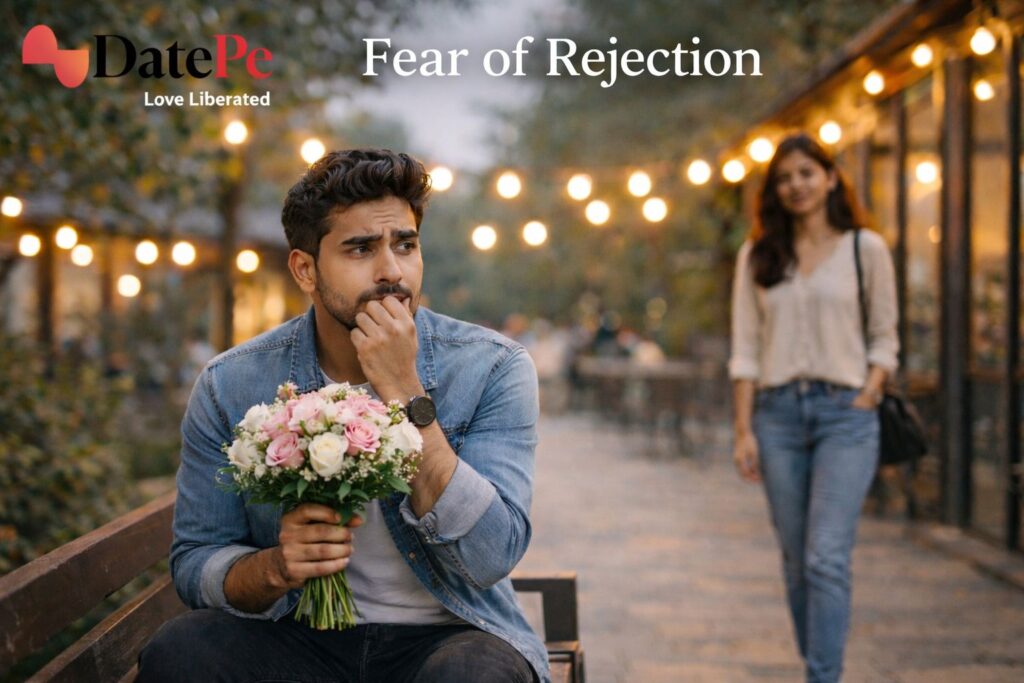
Propose Day acts as an emotional mirror rather than a romantic ritual. It forces clarity in a dating culture that often survives on ambiguity, making it emotionally confronting for many people. When intent is expected, underlying fears surface quickly, turning a symbolic day into a psychological pressure point.
At its core, Propose Day activates three major emotional fears that shape proposal behavior and relationship decisions:
- Fear of rejection– the risk of being emotionally exposed and refused
- Fear of abandonment– the anxiety of not being chosen despite investment
- Fear of commitment– the loss of autonomy that commitment is perceived to bring
This is why Propose Day creates such polarized reactions—some people step forward with certainty, while others emotionally shut down or disappear altogether.
The Healthiest Proposal Standard in Modern Relationships
A healthy proposal is not defined by grandeur, timing, or social validation, but by emotional alignment and psychological safety. In strong relationships, proposals feel like a continuation of ongoing conversations rather than a sudden demand for certainty. The emphasis shifts from performance to presence, from urgency to mutual understanding.
The healthiest proposals consistently share three elements:
- Emotional clarity, where intent is expressed without ambiguity
- Mutual readiness, where both individuals feel aligned about the future
- Freedom to respond honestly, without pressure or emotional consequence
When these elements are present, proposals strengthen relationships instead of testing them.
Modern Dating Culture and Intent Based Connections
Modern dating culture has normalized undefined relationships, delayed clarity, and emotional convenience, making commitment feel optional rather than intentional. As a result, proposals often carry disproportionate emotional weight, because they force conversations that should have happened much earlier in the relationship.
This is why intent based dating platforms like DatePe, which prioritize emotional clarity and serious relationships, are increasingly relevant. When intent is established early, proposals stop feeling like emotional risks and start feeling like natural, confident steps forward.
Closing Thought on Proposals and Emotional Safety
Not every proposal needs a ring, a public moment, or perfect timing. The most meaningful proposals are built on honesty in relationships, emotional safety, and mutual readiness.
“When clarity replaces confusion, commitment stops being frightening and starts feeling secure”