The Dating App Reset: Why Modern Dating Needs a Reboot in 2026
Dating apps promised connection, but delivered confusion, fatigue, and endless swiping.In 2026, modern dating is demanding a reset one built on clarity, intent, and emotional responsibility. Here we’ll explore how dating app design created situationships, ghosting, and burnout.It also looks at how intent-based dating apps are redefining relationships with better outcomes. And why the future of dating belongs to platforms that help people decide, not drift.
How Dating Apps Changed the Way We Date
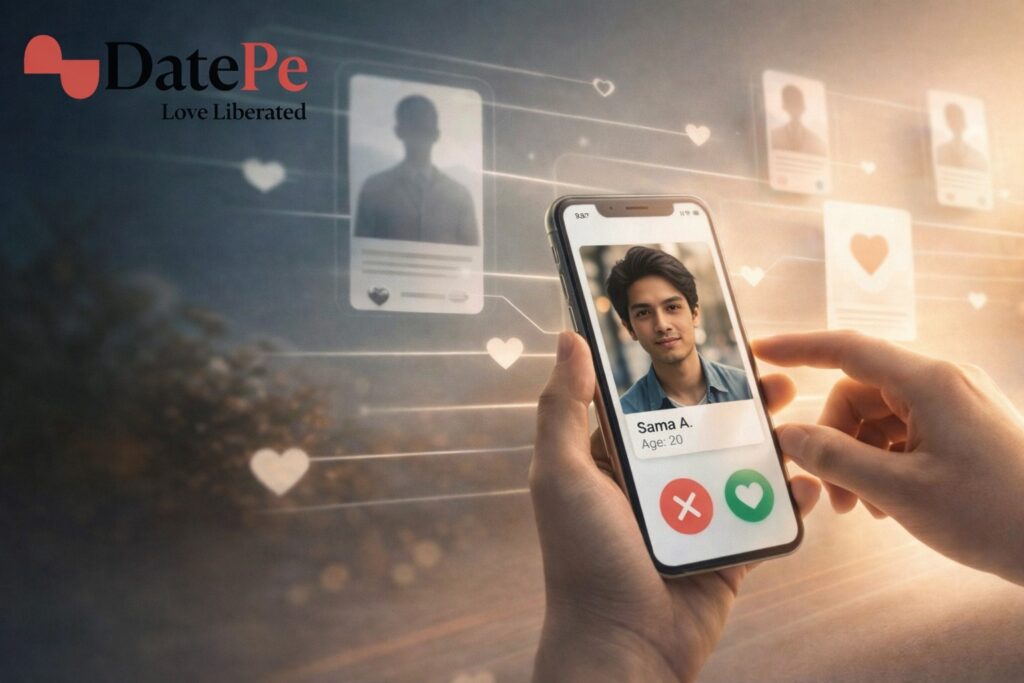
The evolution of dating apps has fundamentally restructured how we perceive attraction and choice, turning the search for a partner into a high-speed digital catalog. What began as a tool for connection has shifted online dating culture from a place of deep intention to one of pure convenience. By prioritizing the “swipe” mechanic, these platforms rewired our brains to prioritize instant visual attraction over long-term compatibility, effectively replacing the slow reveal of personality with a split-second verdict. Consequently, while modern dating has never been easier to start, the sheer volume of choices has made relationships significantly harder to sustain, as the “next best thing” is always just one swipe away.
The Real Problem Isn’t Dating Apps — It’s Their Design
The frustration many feel today stems from the “engagement-first” philosophy that dictates how these platforms function. Most dating apps are designed like slot machines, utilizing variable reward schedules to keep users scrolling rather than actually meeting. Instead of optimizing for successful relationships, the algorithms are fine-tuned to maximize time spent in-app. This creates a fundamental conflict of interest: if an app helps you find “the one” too quickly, it loses a recurring user, so the system is subtly incentivized to keep you in a cycle of endless searching.
Because of this design, users often find themselves trapped in perpetual “talking stages” or “situationships.” The interface rewards indecision by presenting a seemingly infinite pool of profiles, which triggers analysis paralysis. When the goal of the software is to prevent you from closing the app, it naturally facilitates a culture where deep commitment is sidelined in favor of low-effort digital interactions that never quite transition into the real world.
The Rise of Dating Burnout and Emotional Fatigue

In 2026, we are witnessing a peak in dating burnout as the emotional toll of the digital “meat market” becomes undeniable. This widespread dating fatigue is characterized by a sense of emotional exhaustion, where the repetitive cycle of matching, small talk, and eventual disappearance leaves users feeling completely drained. Many daters now feel disposable, treated more like data points on a screen than human beings with complex feelings. This decline in trust and effort has led to a mass exodus, with people leaving apps more frequently than ever before in search of “dopamine detox” dates and real-world presence that the digital space fails to provide.
Situationships, Benching, Ghosting — Symptoms of a Broken System
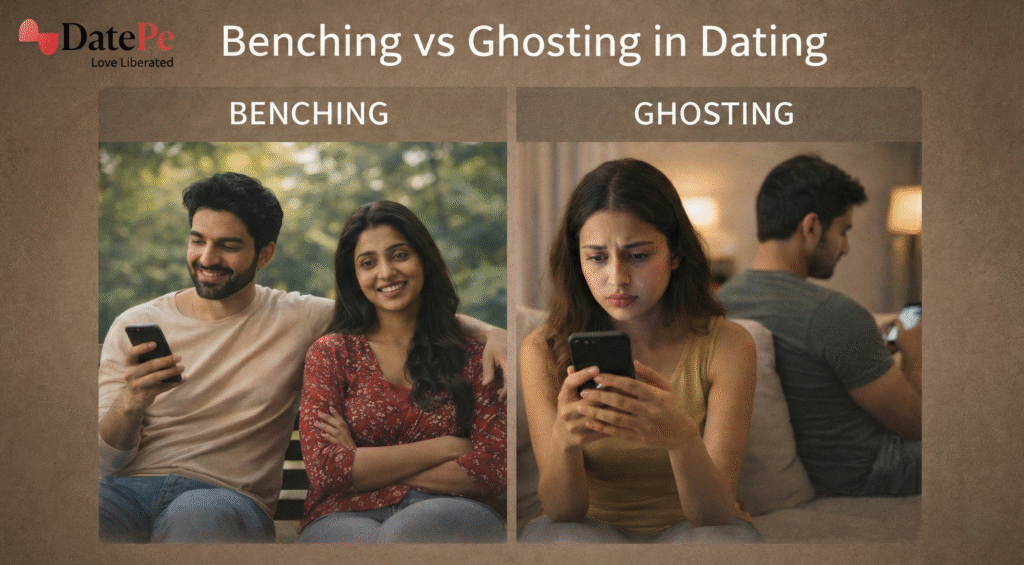
It is a common misconception that ghosting or “benching” are merely personal character flaws; in reality, they are the logical outcomes of a broken system. Modern dating apps have normalized ambiguity by stripping away the social accountability that used to exist when people met through mutual friends or community circles. When there are no social consequences for disappearing, silence becomes the default response to any hint of friction or discomfort.
The emotional cost of this unclear dating environment is staggering, leading to a landscape where no one wants to be the first to show “too much” interest. By making it easy to keep multiple people on the “bench,” apps have created a culture where half-hearted effort is the standard. This isn’t just a streak of bad luck for individuals—it’s a systemic failure where the platform’s ease of use has simultaneously lowered the bar for basic human decency and clear communication.
What Modern Daters Actually Want in 2026
As we move through 2026, the trend is shifting away from quantity and toward healthy dating habits that prioritize the following:

- Fewer Matches, Better Matches: A move toward “quality over quantity,” where users prefer three meaningful conversations over fifty dead-end matches.
- Dating Clarity from Day One: An end to the “guessing games,” with daters being upfront about whether they seek marriage, a long-term partner, or something casual.
- Intentional Dating: A focus on “clear-coding” intentions early on to avoid the wasted time and energy of mismatched goals.
- Emotional Safety: Prioritizing consistent communication and reliability as the new “green flags” in a potential partner.
- Efficiency and Respect: Faster decisions on whether to meet in person, moving away from months of texting that lead nowhere.
The Dating App Reset — From Swipes to Intent
The dating app reset does not mean deleting apps or starting over, it means redesigning how dating works. For years, dating apps were built around discovery-first experiences, where swiping mattered more than deciding. In 2026, that model is breaking down. Users are no longer asking for more matches; they are asking for better outcomes. This reset is about moving from endless discovery to intent-based dating, where people are guided toward clarity instead of kept in loops.
In this new model, guidance replaces gamification. Instead of rewarding time spent, modern platforms are beginning to reward decisions made, conversations progressed, and intentions expressed. Engagement metrics are being replaced by relationship outcomes, signaling a shift from entertainment to purpose in modern dating.
How New-Age Dating Apps Are Redesigning the Experience
A new generation of platforms is emerging with a very different philosophy: reduce confusion, not increase options. These new-age dating apps are built around clarity-first flows that help users express what they want early, making dating feel safer and more intentional. Instead of endless swiping, they design interactions that nudge decisions forward.
DatePe is one example of this broader industry shift. Rather than optimizing for addiction or time spent, platforms like DatePe are experimenting with intent-first dating flows that encourage honest interactions and faster clarity. The goal is not to keep people searching, it’s to help them move forward with confidence.
Why Clarity Will Be the Competitive Advantage in Dating Apps
The future of the industry belongs to platforms that prioritize dating clarity over mindless engagement. By fostering an environment of intentional dating, apps can significantly reduce the anxiety that has come to define the modern experience. When users feel respected and safe, their trust in the platform increases, which ultimately improves long-term retention far better than any gamified feature ever could. In a market saturated with “swipe-fest” clones, the competitive advantage in 2026 will be held by those who can successfully facilitate honest, transparent human connection and move users off the screen and into meaningful, healthy relationships.
How DatePe Fits into the Larger Dating App Reset
At the heart of the dating app reset is one simple idea: intent before interaction. DatePe’s philosophy aligns closely with this shift. Instead of allowing endless talking stages, the platform is designed to help users make decisions earlier, reducing emotional uncertainty and dating fatigue.
By designing for decisions instead of distractions, DatePe positions itself as part of a movement not a solution in isolation, but a signal of where modern dating is heading. The reset is not about one app; it’s about changing how dating apps are designed altogether.
What the Future of Dating Apps Looks Like After the Reset
After the reset, dating apps will look and feel fundamentally different:
- Less swiping, more signaling — intentions become visible early
- Apps guide, not gamify — clarity replaces dopamine loops
- Dating apps become facilitators, not casinos — outcomes matter more than engagement
- Emotional responsibility becomes a product feature, not just a user expectation
- Intent-based dating becomes the default, not the exception
This future prioritizes emotional safety, honesty, and forward movement over endless choice.
Choosing Better Dating Experiences Starts With Better Design
Users are no longer willing to accept dating experiences that drain their energy and waste their time. They want platforms that respect their emotions, their boundaries, and their intent. This means dating app design must shift from optimizing clicks to designing for honesty.
DatePe’s philosophy reflects this future, one where platforms are built to help people decide, not drift. Without selling or pushing, it simply aligns with the truth modern daters are already living: better dating starts with better design.
The Reset Has Already Begun
The dating app reset is not coming, it’s already here. Users are rejecting ambiguity, exhaustion, and endless swiping in favor of clarity, intention, and emotional responsibility. Dating isn’t broken; dating app design is. And as that design changes, so will the way people connect.The next era of dating will be quieter, clearer, and more humane.
“The future of dating belongs to platforms that help people decide, not drift.”