Ghosting in Relationships: Why Silence Hurts More Than Rejection
Ghosting in relationships turns connection into silence and deep emotional confusion. One moment you’re sharing intimacy, routines, and trust, and the next you’re staring at unanswered messages, wondering what changed. With no closure or explanation, the silence hurts more than rejection, but clarity, healing, and better connections are possible.. Learn why ghosting hurts more than rejection and how to navigate the emotional wreckage with clarity.
What Is Ghosting in Relationships?
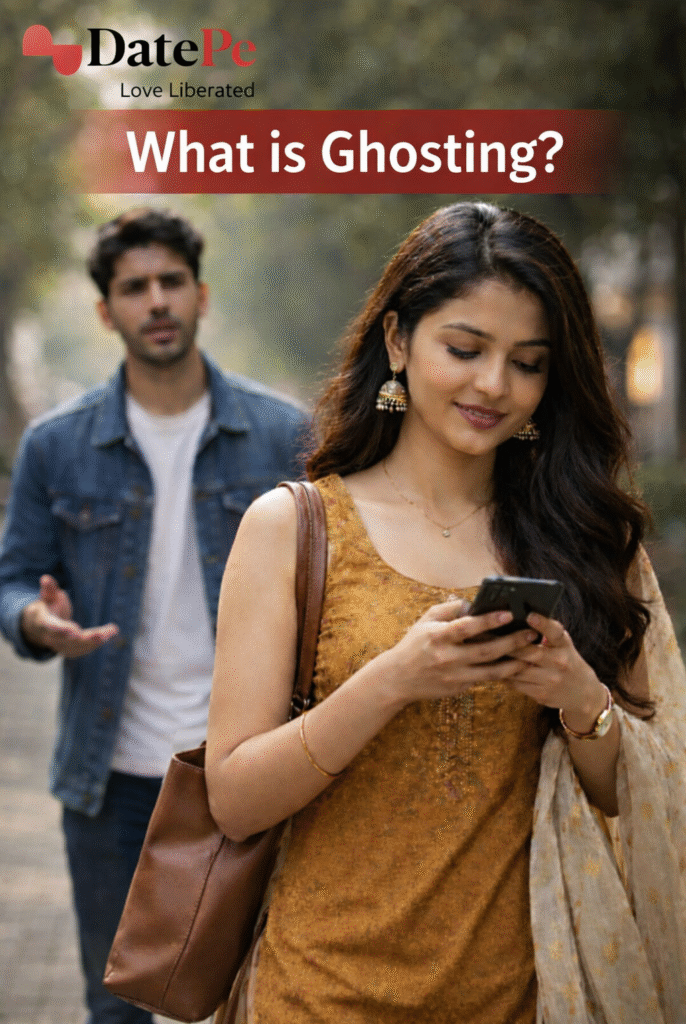
Ghosting in relationships is the modern phenomenon where one person cuts off all contact—ignoring texts, calls, and social media—leaving the other person in total limbo. In real life, it looks like a sudden shift from daily intimacy to being blocked or “read-receipted” indefinitely, effectively turning a partner into a stranger overnight. The reason people never get closure is that the ghoster prioritizes their own comfort over the other person’s need for an ending. As dating apps turn human connections into “disposable” profiles, this term has trended because it reflects a growing culture of convenience over accountability.
Why Ghosting Hurts More Than Rejection
When someone says, “I don’t think this is working,” it hurts, but it provides a finish line. Ghosting, however, denies you that ending, forcing your brain to work overtime to solve a puzzle with missing pieces. This lack of closure triggers a psychological state known as “ambiguous loss,” where the grief is frozen because you don’t know if the relationship is truly dead or just on a terrifying pause. Your brain is hardwired to seek patterns and resolve uncertainty, so when faced with silence, it spirals into a loop of “what ifs” and “why.”
This prolonged uncertainty fuels a specific type of anxiety that erodes your sense of emotional control. Unlike a standard breakup where you can eventually process the “why,” ghosting stays with you longer because it feels like an unfinished task. It forces you to ruminate on your flaws, wondering if you were the problem, whereas a verbal rejection allows you to acknowledge the incompatibility and move on. The silence doesn’t just end the relationship; it insults your worth by suggesting you aren’t even deserving of a goodbye.
The Psychology Behind Ghosting (Why People Disappear)
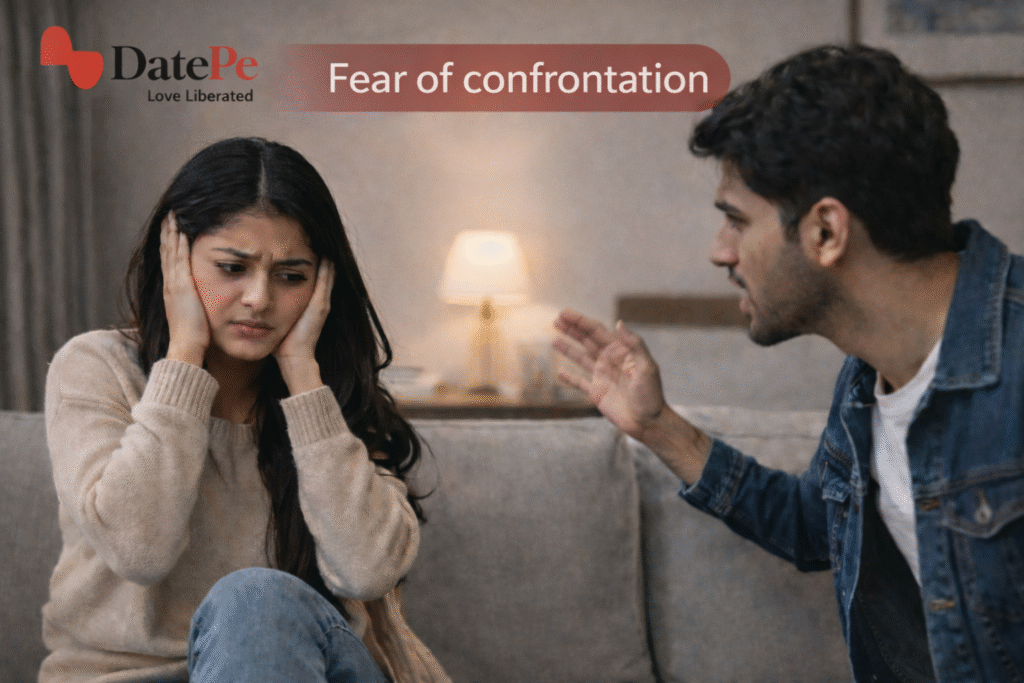
Understanding the “why” often has more to do with the ghoster’s internal struggles than anything you did. Most people disappear because they lack the tools to handle uncomfortable emotions.
- Fear of Confrontation: Many ghosters view an honest breakup as a “conflict” they aren’t equipped to win, so they choose the path of least resistance.
- Emotional Avoidance: Those with avoidant attachment styles often pull away when things get too “real” or intimate to protect themselves from vulnerability.
- Low Emotional Maturity: It takes a certain level of maturity to deliver bad news; those who ghost often lack the empathy to realize how much their silence hurts.
- Validation-Seeking: Some people enjoy the “chase” of dating but disappear once the ego boost is achieved and actual effort is required.
- The “App” Mentality: Dating apps have dehumanized the process, making it easy to view a person as a digital profile that can be “deleted” rather than a human being with feelings.
The Emotional Impact of Being Ghosted
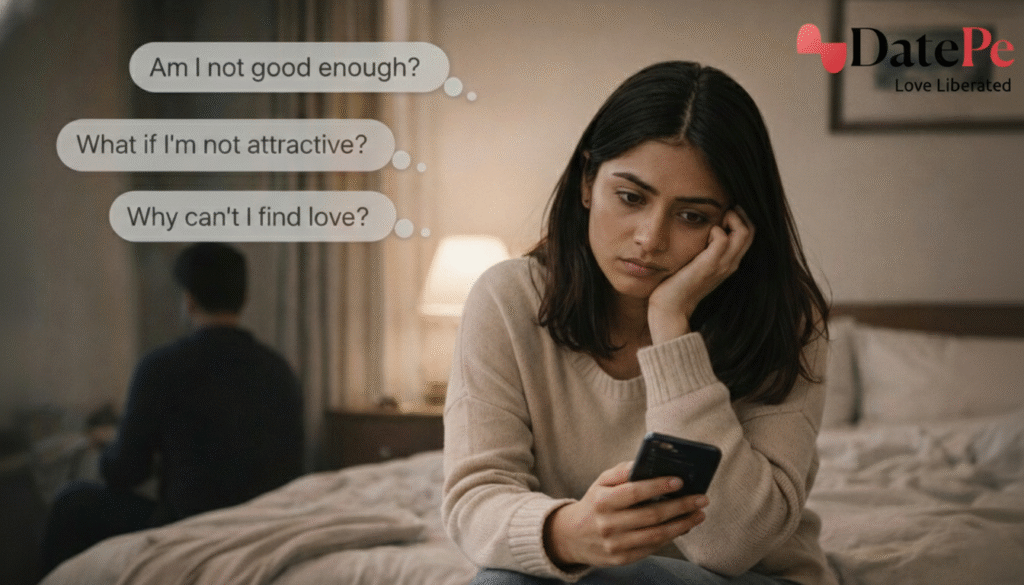
The aftermath of being ghosted isn’t just “sadness”—it’s a complex mix of psychological trauma that can change how you view love and yourself.
- Self-Doubt and Rumination: You may find yourself over-analyzing every text you sent, looking for a “mistake” that justified their disappearance.
- Reactivating Attachment Wounds: Ghosting can trigger deep-seated fears of abandonment, making you feel like your worth is tied to someone else’s presence.
- Loss of Trust: It becomes harder to trust the next person when you’ve learned that someone can vanish at any moment without a reason.
- Impact on Future Dating: You might become hyper-vigilant or “closed off” in future relationships to prevent the pain of being blindsided again.
- Emotional Burnout: The cycle of being “ghosted and breadcrumbed” leads to dating fatigue, making the search for a partner feel like an exhausting chore rather than an exciting journey.
Why Ghosting Is So Common in Modern Dating
Ghosting has become common because modern dating has removed accountability. Dating apps offer endless options, and when someone feels unsure, disappearing is easier than explaining. Swipe culture has trained people to replace instead of resolve, making silence feel like an acceptable ending. In this environment, ghosting becomes a default behavior, not an exception.
There are also no social consequences anymore. You can vanish without running into the person again, without shared communities, and without explanation. As a result, ghosting in modern dating is less about cruelty and more about convenience — but the emotional damage remains the same.
How Dating Apps Accidentally Normalize Ghosting
Most dating platforms were built to maximize engagement, not emotional responsibility. When users can endlessly swipe, match, and move on, there is no incentive to provide closure. The design silently rewards disappearing by making it frictionless — no reminders, no prompts, no accountability.
This is why the industry is slowly shifting toward intent-based dating models. Platforms like DatePe represent a broader movement experimenting with designs that encourage clarity earlier in the journey, rather than rewarding emotional avoidance. It’s a small shift, but it signals where dating product design is heading.
“When platforms remove accountability, people disappear. When they encourage clarity, people decide.”
How to Heal After Being Ghosted
Healing after ghosting begins with understanding one truth: silence is information. When someone disappears, they are communicating their capacity, not your worth. Letting go of the need for answers is often the hardest part, but it is also the most freeing.
Rebuilding emotional safety requires boundaries. Stop chasing closure from people who avoided responsibility in the first place. Instead, choose clarity early, communicate expectations, and allow actions — not words — to guide your decisions in future relationships.
The Future of Dating – From Disappearing to Deciding
The future of dating is moving away from avoidance and toward intention. Users are demanding platforms that help them decide, not disappear. Dating apps of the next decade will be measured by outcomes, not engagement — relationships started, conversations continued, clarity achieved.
This shift toward guided dating experiences aligns with philosophies like DatePe’s clarity-first approach, where ambiguity is reduced and honesty is encouraged early. It reflects a larger cultural reset: emotional responsibility is becoming the new standard in modern relationships.
Silence Is an Answer, But Not a Kind One
Ghosting hurts because it denies closure. It leaves questions unanswered and emotions unresolved. But as dating culture evolves, silence is losing its power. People are learning to expect better — and to walk away faster when clarity is missing.
The next era of dating will belong to those who choose honesty over avoidance, intention over convenience, and respect over silence.
Clarity is not too much to ask for. It is the bare minimum.