The Death of Situationships: Why Gen Z and Millennials Are Demanding Clarity in Dating
Situationships are fading as Gen Z and Millennials increasingly reject ambiguity in modern dating. What once felt casual and flexible now feels emotionally draining, leading young daters to demand clarity, boundaries, and honest intentions from the start. This shift is reshaping dating culture and forcing platforms to move away from endless swiping toward experiences that support clear communication, emotional safety, and meaningful relationship outcomes.
What Is a Situationship?
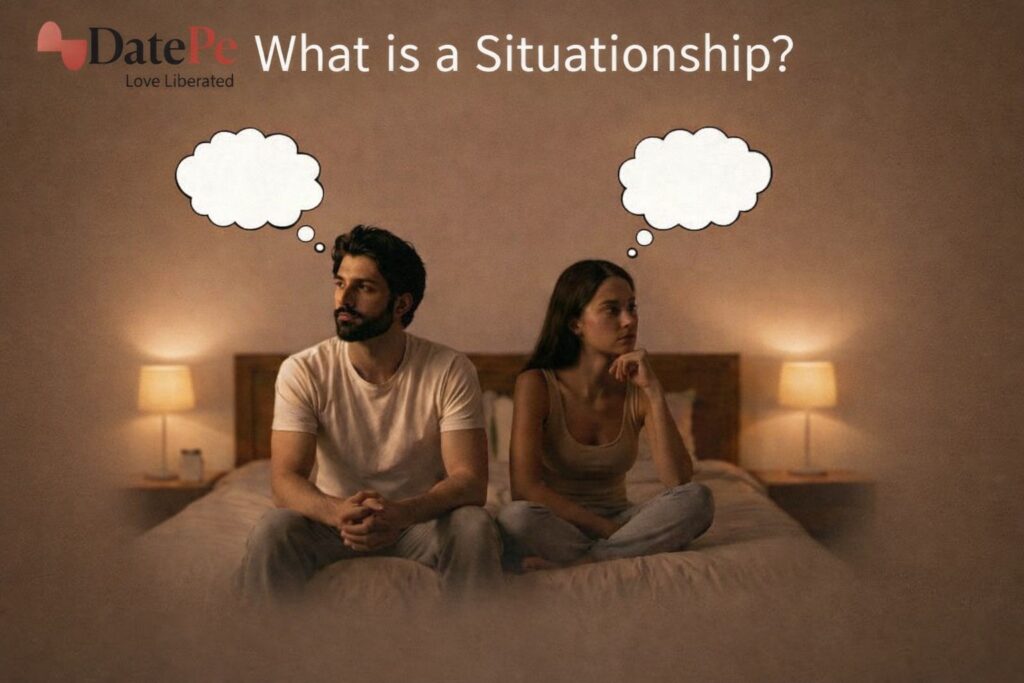
A situationship is the relationship version of a “loading” screen. It is that haunting romantic gray area where you trade your emotional labor for the mere illusion of companionship. You get the Sunday morning pancakes and the 2 AM “thinking of you” texts, but you don’t get the seat at the holiday table. It’s a situationship definition that relies entirely on what isn’t being said, leaving you to do the heavy lifting of a partner without the security of the title.
It’s all of the intimacy with none of the insurance. We call it “going with the flow” because we are terrified to admit we are actually drowning in commitment phobia. It’s not a choice, it’s a trap we set for ourselves when we prioritize “staying chill” over being seen. We are searching for this term more than ever in 2026 because we’ve finally realized that a connection without a name is just a placeholder for a life we’re too scared to start.
How Situationships Became Normal in Modern Dating
We normalized the gray area because we mistook infinite choice for freedom. Free Dating apps convinced us that there was always a better “update” just one swipe away, turning human connection into a subscription service you can cancel at any time. The fear of commitment became a survival mechanism. If you don’t name it, you can’t lose it. The rise of “talking stage” culture created a permanent waiting room for romance. Ambiguity felt easier than clarity because it protected our egos from rejection. But in a world of endless options, we realized that staying unattached didn’t make us free; it just made us lonely in a room full of people.
The Hidden Emotional Cost of Situationships
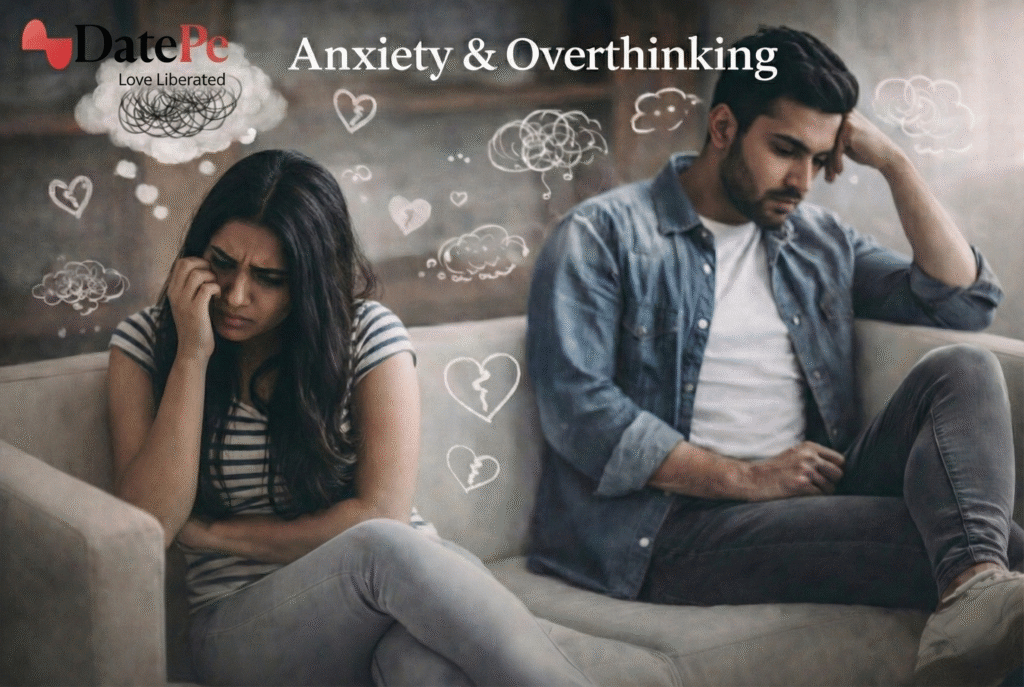
The price of a situationship is paid in anxiety and overthinking. When there is no clear boundary, your brain enters a state of hyper-vigilance, scanning every text for a hidden meaning that isn’t there. It creates a massive power imbalance where the person who cares less holds all the cards. You stay longer than you should because you’re addicted to the potential, not the reality.
This is the blueprint for emotional burnout in Gen Z and Millennials. We are exhausted from playing a game where the rules change every hour. The “chill” facade eventually cracks, leaving behind a trail of “almost” heartbreaks that hurt more than real breakups. Because how do you mourn something that “never really happened”?
Why Gen Z and Millennials Are Rejecting the “Gray”
The “chill” era has officially reached its expiration date. In 2026, the vibe shift is undeniable: relationship clarity is the new status symbol. We have finally stopped romanticizing the chase and started prioritizing secure attachment as a non-negotiable. Mixed signals are no longer a puzzle to be solved by the group chat, they are a prompt to leave. We’ve spent too many years being “delulu” for people who are only “half-in,” and the collective burnout has made us crave the truth.
Peace of mind is the only luxury we can no longer afford to lose. We are seeing a massive evolution in Gen Z dating trends where dating boundaries are used as shields, not barriers. We’ve stopped using “therapy speak” to sound smart and started using it to stay sane, filtering for emotional maturity before the first date even happens. We aren’t being “picky” or “difficult”; we are simply done auditioning for roles in lives where we were never meant to be the lead.
What Modern Daters Actually Want Now
The 2026 dater isn’t looking for a game; they are looking for intentional dating. We want clear intentions on day one, not month six. We are opting for fewer connections that actually mean something, rather than a “roster” of people who don’t know our last names. The goal is dating that respects time and energy. We want defined timelines and radical transparency. In a world of AI and algorithms, the most “viral” thing you can be is a person who says exactly what they mean. Love isn’t a game to be won anymore, it’s a designed experience built on a foundation of “Hell yes” or “No.”
How Dating Platforms Are Being Forced to Change
Engagement-first dating app design is no longer working. Platforms built to maximize swipes, matches, and time spent are seeing rising user fatigue, lower trust, and declining long-term retention. Modern users are actively searching for dating apps that reduce confusion, not amplify it, which is forcing the industry to rethink how digital dating experiences are structured.
As a result, intent-based dating models are rising in popularity. These platforms nudge users to clarify what they want early, reducing mixed signals and endless talking stages. Some newer platforms, like DatePe, are experimenting with intent-first flows that prioritize clarity over endless discovery, a signal that the future of dating product design will be built around decisions, not distractions.
Why Clarity Leads to Better Relationships

Clarity improves relationships because it improves communication from day one. When both people understand expectations early, there is less guessing, less anxiety, and fewer emotional misunderstandings. This is why searches around clear communication in dating, relationship expectations, and dating boundaries are growing rapidly among Gen Z and Millennials.Emotional safety is also deeply tied to attraction. When intentions are known, people show up more authentically, invest more confidently, and disengage sooner when things don’t align. Clear expectations create healthier relationship outcomes, making clarity in dating not just a preference, but a foundation for long-term connection.
The Future of Dating – From Swipes to Intent
The future of dating apps will be measured by outcomes, not engagement. Instead of optimizing for endless choice, platforms will optimize for relationships started, conversations continued, and clarity achieved. In this new model, intent becomes more valuable than compatibility scores or algorithmic tricks.
This shift also means replacing gamification with guidance. Users want dating platforms that help them decide, not drift. Philosophies like the one behind DatePe reflect this transition, designing dating experiences that guide users toward meaningful connections rather than trapping them in infinite swiping loops.
The End of Situationships Is Progress
Situationships are no longer seen as normal, they are seen as emotional limbo. Gen Z and Millennials are actively choosing clarity over confusion, intention over ambiguity, and respect over mixed signals.
Clarity is not pressure. It is honesty. And as dating moves forward, the platforms and people that embrace clarity will be the ones that build real relationships, not just conversations.